Holiday Disasters

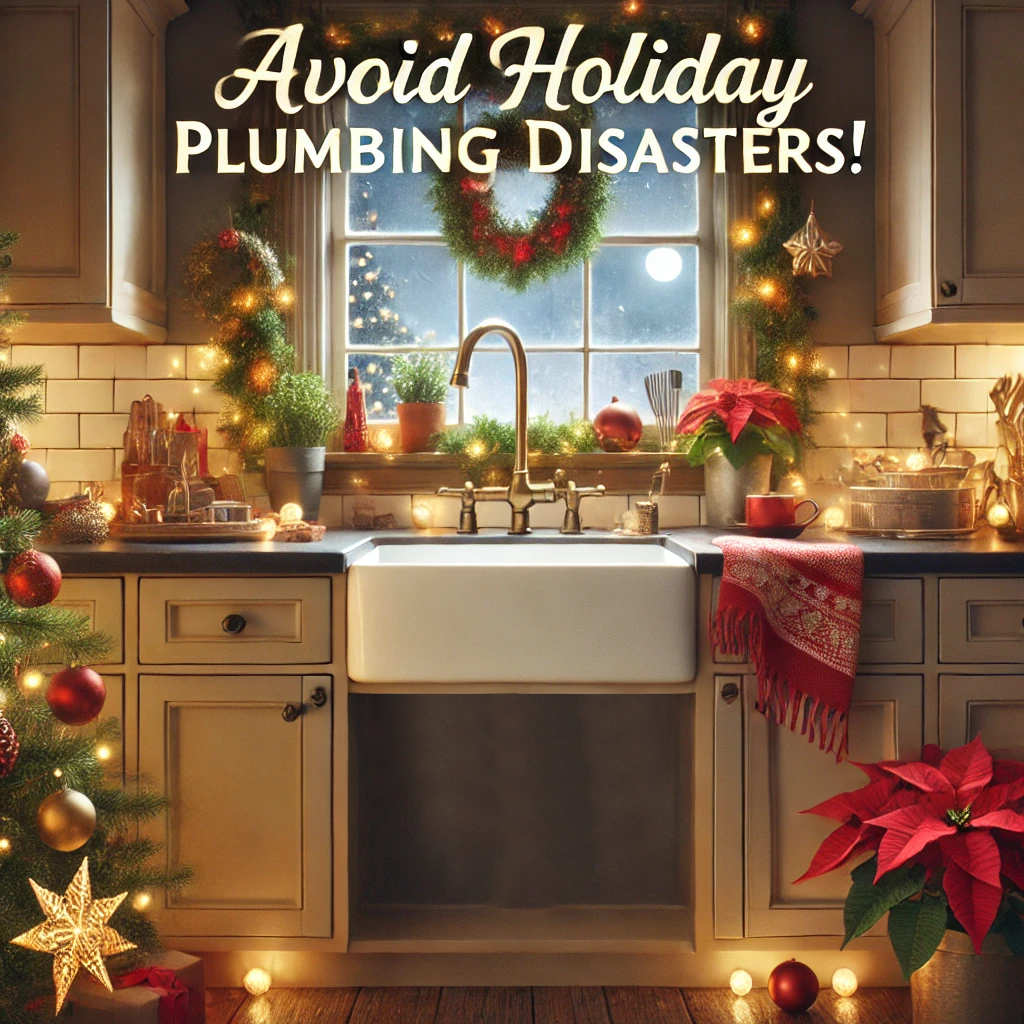
How to Prepare Your Plumbing for Holiday Gatherings

The holiday season is a time for family, friends, and festive celebrations. But with extra guests and increased kitchen and bathroom usage, your plumbing can face added strain. The last thing you want during a holiday gathering is a plumbing emergency. Preparing your system in advance ensures smooth operations and prevents unexpected headaches. Here’s a guide to get your plumbing holiday-ready.

Inspect Your Drains and Sewer Line

Clogged drains or sewer line backups can cause significant disruptions during the holidays. Before the season begins, check for slow drains, gurgling sounds, or foul odors. These are early warning signs of blockages that could worsen with extra use.

Scheduling a professional inspection is one of the best ways to avoid problems. Rapid Action Plumbing uses cameras to examine your sewer line and recommend cleaning if necessary. Preventive maintenance now can save you from costly emergency repairs later.

Tip: Avoid using chemical drain cleaners. They may damage pipes. Instead, opt for professional hydro-jetting or drain snaking.

Source: Learn more about sewer line inspections and blockages at The Spruce.

Protect Your Garbage Disposal

The kitchen becomes a central hub during the holidays. While preparing meals, your garbage disposal will likely see heavy use. Misusing it can lead to clogs and even motor damage.

To keep your disposal in good shape, avoid putting the following items down the drain:

• Fats, oils, and grease (they solidify and clog pipes).

• Fibrous foods like celery or potato peels.

• Bones or hard items that can damage the blades.

Run cold water while using the disposal to help move food waste smoothly through the pipes. This simple step keeps your disposal efficient and reduces the risk of clogs.

Need a garbage disposal tune-up before the holidays? Contact Rapid Action Plumbing today for expert assistance.

Test Your Water Heater

Hot water is essential for guest showers, dishwashing, and holiday cleaning. If your water heater struggles to keep up, it’s time to check its performance. A quick inspection can help you identify leaks, sediment buildup, or outdated equipment.

For homes with multiple guests, consider increasing the temperature slightly (but keep it under 120°F to prevent scalding). If your water heater is old or too small for your household’s needs, upgrading to a larger or more energy-efficient model may be worth considering.

Source: For water heater maintenance tips, visit Energy.gov.

Be Mindful of Bathroom Usage

Extra guests mean more frequent use of toilets, sinks, and showers. This can stress your plumbing, especially if your pipes are older or prone to clogs. To keep things running smoothly:

• Place a trash bin in each bathroom to prevent guests from flushing non-flushable items.

• Provide clear signage or instructions on what’s safe to flush (toilet paper only).

• Consider using low-flow showerheads and faucets to reduce water consumption and pressure on your plumbing.

These small steps can prevent major issues while keeping your guests comfortable.

Prepare for Cold Weather

In some regions, cold weather during the holidays can lead to frozen or burst pipes. Insulating exposed pipes is a simple yet effective way to protect your plumbing from freezing temperatures.

If temperatures are expected to drop, let faucets drip slightly to keep water flowing. Open cabinet doors under sinks to allow warm air to circulate around the pipes. Taking these precautions helps you avoid costly damage and ensures uninterrupted water flow.

Schedule Preventive Maintenance

Preventive maintenance is the best way to prepare your plumbing for holiday gatherings. Rapid Action Plumbing can identify potential problems before they escalate. Services like drain cleaning, water heater checks, and sewer line inspections ensure your plumbing is ready for the extra holiday load.

Don’t wait until it’s too late. Schedule a plumbing maintenance appointment with Rapid Action Plumbing today. Let us help you enjoy a worry-free holiday season.

Final Tips for Holiday Plumbing Success

Preparing your plumbing doesn’t have to be stressful. With a bit of foresight, you can avoid plumbing emergencies and focus on celebrating with loved ones. Here’s a quick recap:

1. Inspect your drains and sewer line.

2. Use your garbage disposal wisely.

3. Test your water heater.

4. Manage bathroom usage.

5. Protect your pipes from freezing.

These steps will keep your plumbing in top shape and ensure a smooth, festive season.

#HolidayPlumbingTips #PlumbingMaintenance #DrainCleaning #SewerLineInspection #GarbageDisposalCare #WaterHeaterMaintenance #WinterPlumbingTips #PreventPlumbingEmergencies #RapidActionRooter #LosAngelesPlumber
Top 5 Blockages

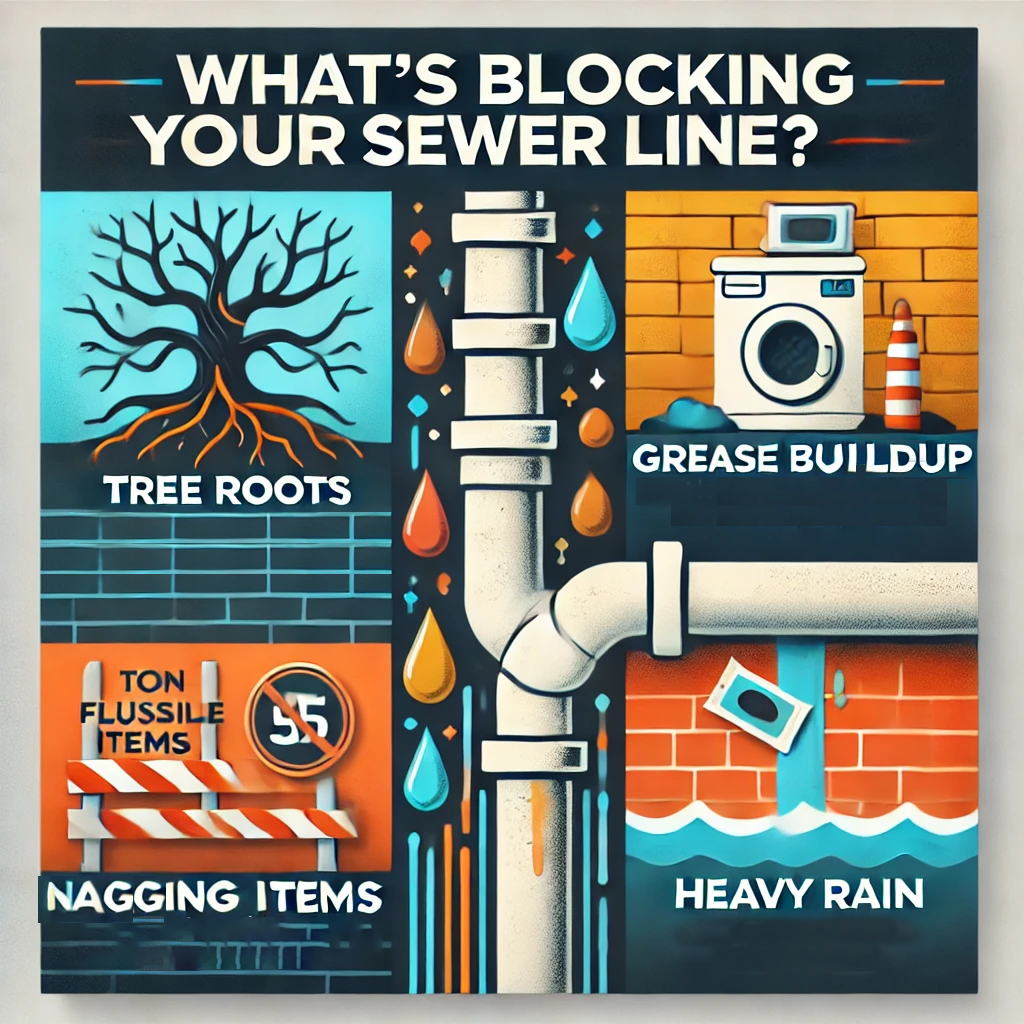
Top 5 Causes of Main Sewer Line Backups

A main sewer line backup is every homeowner’s nightmare. It can lead to messy overflows, foul odors, and even costly structural damage to your home. Understanding the common causes of sewer line blockages is key to preventing these issues. Let’s take a closer look at the top culprits and how you can protect your plumbing.

The Problem with Tree Roots

Tree roots are a common but often overlooked cause of sewer line blockages. As trees grow, their roots naturally seek out water sources, including the moisture inside your sewer pipes. Over time, these roots can penetrate even small cracks in pipes, expanding and creating blockages that disrupt the flow of waste. The situation worsens in older homes with aging pipes, which are more prone to leaks and breaks.

Ignoring tree root intrusion can lead to significant damage, including cracked or collapsed pipes. Rapid Action Rooter utilizes camera inspections to identify root growth early, preventing extensive repairs down the line. If you have large trees near your sewer line, consider scheduling a root inspection to avoid potential issues.

Grease Buildup: A Sticky Situation

It’s easy to assume that grease and oil poured down the drain will just wash away. However, these substances don’t remain liquid for long. As they cool, they solidify and stick to the inner walls of your pipes. Over time, grease buildup narrows the pipes, eventually causing blockages. This problem is particularly troublesome in kitchen drains but can quickly escalate to affect the main sewer line.

Adding to the issue, grease often traps other debris, like food particles and hair, forming a sticky, stubborn clog. Instead of reaching for chemical drain cleaners—which can damage your pipes—professional hydro-jetting services can safely clear grease and other buildup.

To prevent grease-related clogs, always avoid pouring grease, oils, or fats down the drain. Use a disposable container to collect grease and toss it in the trash. These simple habits can save you from a major plumbing headache.

Flushing Non-Flushable Items

Many homeowners are guilty of flushing items they shouldn’t. Even products labeled “flushable,” like wet wipes, can cause problems. Unlike toilet paper, which breaks down easily, these items tend to clump together and create blockages in your pipes. Other common offenders include feminine hygiene products, cotton balls, paper towels, and diapers.

The consequences of flushing non-flushable items can be severe, especially if they make their way into the main sewer line. These materials can accumulate over time, creating a stubborn clog that disrupts your plumbing system.

Educating your household is one of the best ways to prevent these issues. Keep a trash bin in the bathroom for non-flushable items and remind everyone only to flush toilet paper and waste. A professional plumber can help assess and clear your pipes if you’re already dealing with recurring clogs.

Aging Pipes and Infrastructure

As with most things in life, plumbing systems don’t last forever. Older homes, particularly those built before the 1970s, often have sewer lines made from clay, cast iron, or Orangeburg, which degrade over time. Cracks, corrosion, and collapses are common in aging pipes, leading to blockages or complete system failures.

In addition to natural wear and tear, external factors like shifting soil and heavy ground traffic can contribute to pipe damage. The combination of aging materials and external pressure makes older plumbing systems vulnerable to backups.

If your home has an older plumbing system, consider having it inspected. Replacing outdated pipes with modern materials like PVC can protect your home from future plumbing disasters. While this might seem like a significant upfront investment, it’s far more affordable than dealing with emergency repairs.

Heavy Rain and Flooding: Nature’s Impact

Storms and heavy rainfall can overwhelm municipal sewer systems, especially in areas where stormwater and sewage share the same lines. When these systems reach capacity, the excess water has nowhere to go. This often results in wastewater backing up into homes through the sewer line.

Even if your plumbing is in good condition, heavy rain can still cause problems if the surrounding drainage system isn’t adequately maintained. A backflow prevention valve can be a lifesaver, preventing water from flowing back into your home during heavy storms.

Keeping your yard drainage clear and scheduling regular sewer line inspections are also crucial steps in preparing your home for rainy seasons. Preventive maintenance can minimize the risk of a backup, even during extreme weather conditions.

Take Action Before It’s Too Late

Main sewer line backups don’t just happen out of nowhere. They’re often the result of gradual wear, misuse, or neglect. By understanding the common causes—tree roots, grease buildup, non-flushable items, aging pipes, and heavy rainfall—you can take proactive steps to protect your plumbing.

Don’t wait until a backup disrupts your home. Schedule a sewer line inspection with Rapid Action Rooter today. Our professional team can identify potential risks and provide tailored solutions to keep your plumbing in peak condition.

If you’ve noticed warning signs like slow drains or foul odors, it’s time to act. Contact us now to schedule a drain cleaning service before the problem worsens.

#SewerLineBackups #DrainCleaning #PlumbingTips #TreeRootsInPipes #GreaseClogs #HomeMaintenance #RapidActionRooter #PreventivePlumbing #LosAngelesPlumber

Holiday Sewer Issues

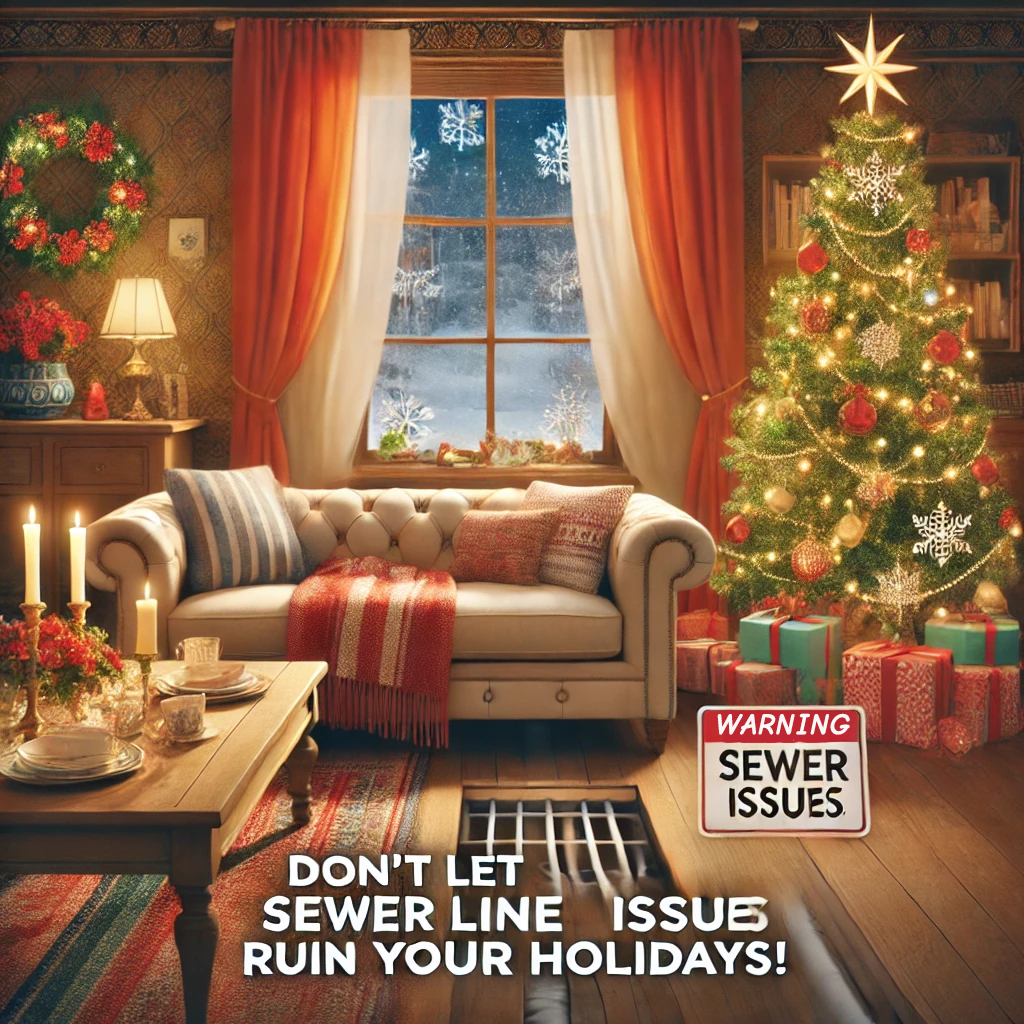
The Risks of Ignoring Main Sewer Line Issues During the Holiday Season

The holiday season is a time of celebration, family gatherings, and hosting guests in your home. With more people using your bathrooms and more strain on your plumbing, it’s crucial to ensure your main sewer line is in top condition. Ignoring sewer line issues can lead to costly and inconvenient disasters during the holidays, including foul odors, sewage backups, and even structural damage to your home. Here’s why you should address any main sewer line issues before they turn into major problems.

Why the Holiday Season Strains Your Plumbing

The holiday season often means more cooking, cleaning, and people using your plumbing system. From food waste in the kitchen to increased toilet and shower use, your plumbing can face a heavy load during this time. Without a properly functioning sewer line, all this activity can push your system to the brink.

Plumbing systems, especially main sewer lines, are designed to handle normal household waste. However, they can struggle when there is an influx of materials such as grease, hair, food particles, and other debris. If you have an existing blockage or damage in your main sewer line, the extra strain can easily lead to a clog, overflow, or even pipe breakage.

The Consequences of Ignoring Sewer Line Issues

1. Sewage Backups and Overflow

One of the most unpleasant results of an unresolved sewer line issue is sewage backup. When the main sewer line is blocked, wastewater has nowhere to go, so it can start coming back up through drains in your home. Imagine dealing with a flooded bathroom or a smelly basement on Thanksgiving or Christmas Day. These backups are not only inconvenient but also hazardous, as they contain harmful bacteria and pathogens that pose a health risk.

According to the Environmental Protection Agency (EPA), sewage overflows can lead to contamination that affects the safety of your home and potentially your community. Bacteria, viruses, and parasites from sewage can lead to severe illnesses, especially for vulnerable individuals such as children and the elderly. Call Rapid Action Rooter for a preventive sewer inspection and cleaning that can help you avoid this holiday horror.

2. Foul Odors

A blocked sewer line often produces foul, lingering odors that can permeate your home. The smell of sewage can seep through your drains, filling rooms with an unpleasant stench that can make hosting guests embarrassing and uncomfortable. Holiday meals, decorations, and family gatherings lose their charm when an unpleasant smell is constantly wafting through your home.

Ignoring these odors as just “temporary” can be a mistake. They may indicate a severe issue in your main sewer line that could lead to a full-blown backup. Addressing these smells with a professional inspection can save you from a disruptive and costly cleanup later.

3. Structural Damage to Your Property

When sewer line issues go unresolved, they can lead to more severe problems, including structural damage. If wastewater backs up and leaks into your home’s walls, floors, or foundation, it can cause mold growth, rot, and even foundational cracks. This damage is costly to repair and can create long-term issues if left untreated.

The Institute of Inspection Cleaning and Restoration Certification (IICRC) notes that water damage from sewage can cause extensive harm to structures, leading to costly repairs and potential health risks from mold and rot. You can protect your home from these costly repairs by addressing sewer line issues before the holiday season.

4. Costly Emergency Repairs

Sewer line repairs are never convenient, but emergency repairs during the holidays can be especially expensive. Plumbers often charge more for emergency work, especially on holidays. Ignoring sewer line issues can lead to costly surprises, forcing you to pay for repairs at the worst possible time. Regular maintenance or a pre-holiday inspection can save you from these avoidable expenses.

5. Health Risks for Family and Guests

Beyond structural concerns, sewage backups and overflows create significant health risks. Bacteria and pathogens in untreated wastewater can cause gastrointestinal infections, skin irritation, and respiratory issues. For families with children, elderly individuals, or guests with health sensitivities, these risks are amplified during a sewage backup.

Preventive Steps to Take Before the Holidays

Taking a few proactive steps can help you avoid holiday sewer disasters:

Schedule a Professional Inspection: Hire a professional plumber to inspect your sewer line for potential issues like clogs, cracks, or tree root invasions.

Consider a Preventive Cleaning: Professional drain cleaning, such as hydro-jetting, can clear any buildup or blockages that might lead to holiday plumbing troubles.

Educate Your Family: Remind everyone in your household about what can and cannot go down the drain. Avoid pouring grease, food scraps, or large amounts of paper down the drains, as these can lead to blockages.

Be Mindful of Water Usage: Stagger showers, laundry, and dishwashing to reduce the overall strain on your plumbing system.

Conclusion

The holidays should be a time of joy, not plumbing stress. Ignoring main sewer line issues can lead to backups, odors, health risks, and costly repairs—none of which you want to deal with during your celebrations. Scheduling a professional inspection and addressing any issues proactively can save you from holiday headaches, ensuring your home remains comfortable and inviting for your family and guests.

If you’re concerned about the state of your sewer line, reach out to Rapid Action Rooter for a thorough inspection and cleaning. Protect your home, your health, and your peace of mind this holiday season.

#HolidayPlumbingTips #SewerLineMaintenance #PlumbingServices #SewageBackup #HomeMaintenance #RapidActionRooter #LosAngelesPlumber #DrainCleaning #PlumbingSafety #PreventiveMaintenance
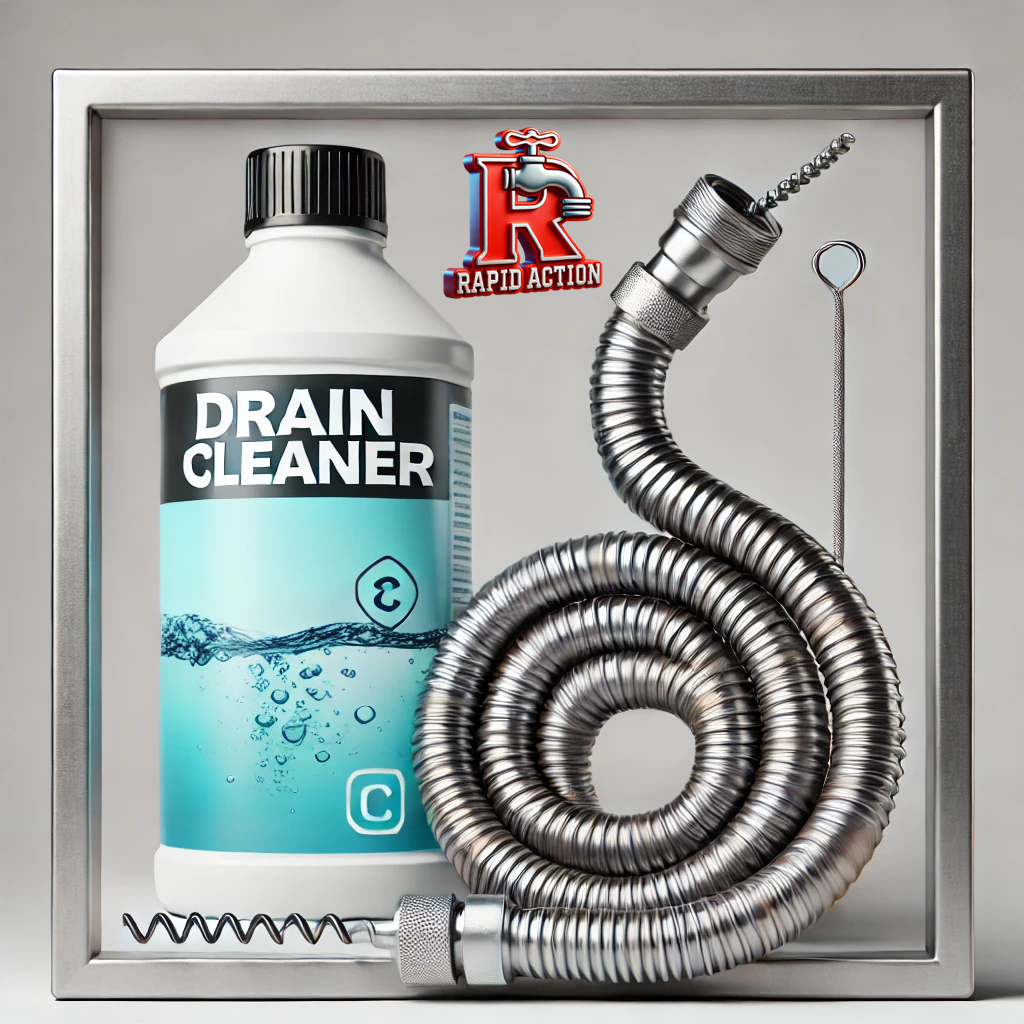
Drain Cleaning vs Chemical Cleaning

Drain Cleaning vs. Chemical Cleaning: Which Option is Best for Your Home?

When dealing with a clogged drain, many homeowners reach for a quick solution—a bottle of chemical cleaner from the store. While chemical cleaners seem convenient, they may not always be the best choice for your plumbing. In contrast, professional drain cleaning offers a comprehensive, long-lasting solution that keeps your pipes clear and prevents future issues. Here, we’ll explore the differences between drain cleaning and chemical cleaning, highlighting the benefits and drawbacks of each method to help you make an informed decision.

What is Chemical Drain Cleaning?

Chemical drain cleaners are liquid, gel, or powder-based products that you pour down the drain to dissolve clogs. These cleaners typically contain powerful chemicals, such as sodium hydroxide, sulfuric acid, or bleach, which work by breaking down organic materials like hair, grease, and food particles. Chemical cleaners are widely available and can be an inexpensive option for minor clogs.

However, the effectiveness and safety of chemical cleaners can vary. While they may provide quick results, their corrosive nature can lead to damage in certain types of pipes. Chemical cleaners should generally be used sparingly and with caution, as improper use can cause harm to your plumbing system, the environment, and even your health.

The Downsides of Chemical Cleaners

1. Pipe Damage

Chemical cleaners can be very harsh on your pipes. The strong, corrosive chemicals can erode pipes over time, especially if used repeatedly. This is particularly true for older plumbing systems or pipes made from materials like PVC or cast iron. As the chemicals react with the clog, they also generate heat, weakening pipe walls and leading to leaks or even bursts.

2. Health and Environmental Risks

Chemical cleaners often emit harmful fumes that can be dangerous to inhale, especially in enclosed spaces. Exposure to these fumes can irritate the eyes, skin, and respiratory system. Additionally, when flushed into the sewer system, chemical cleaners can contribute to environmental pollution, harming aquatic life and contaminating water sources. The EPA has also noted that chemical cleaners can introduce toxic substances into wastewater (source).

3. Temporary Results

While chemical cleaners can dissolve minor clogs quickly, they often fail to address the root cause of the blockage. Grease, soap scum, and other debris can remain further down the line, leading to recurring clogs. This temporary fix can result in frustration and the need for additional treatment over time.

What is Professional Drain Cleaning?

Professional drain cleaning involves specialized tools and techniques that provide a thorough and safe cleaning solution. Rapid Action Rooter uses equipment such as drain snakes, augers, and hydro-jetting machines to remove clogs, clean out debris, and ensure the pipes are cleared. Hydro-jetting, in particular, is a popular method that uses high-pressure water to remove buildup along the walls of pipes.

Unlike chemical cleaners, professional drain cleaning doesn’t rely on harsh chemicals. Instead, it targets the clog directly, which minimizes the risk of damage to your pipes and provides a long-term solution.

Benefits of Professional Drain Cleaning

1. Effective and Long-Lasting Results

Professional drain cleaning offers a comprehensive solution by removing the entire blockage and any additional buildup in the pipes. This method provides longer-lasting results, reducing the likelihood of future clogs. Regular professional cleaning can even extend the life of your plumbing system.

2. Safe for Your Pipes

Since professional drain cleaning avoids corrosive chemicals, it’s a safer option for your pipes. Techniques like hydro-jetting effectively clean the inside of pipes without causing erosion or damage. This is especially important for older plumbing systems that might be more susceptible to damage from chemical cleaners.

3. Eco-Friendly Option

Professional drain cleaning is environmentally friendly, as it doesn’t introduce harmful chemicals into the wastewater system. This method uses water and specialized equipment to achieve results, which makes it a safe and sustainable option for maintaining your plumbing.

Drain Cleaning vs. Chemical Cleaning: Which is Right for You?

While chemical cleaners might seem like a quick fix for minor clogs, they can pose significant risks to your plumbing and the environment. For stubborn or recurring clogs, professional drain cleaning offers a safer, more effective solution that addresses the root cause of the issue and prevents future problems. Here’s a quick comparison to help you decide:


Aspect

Chemical Cleaning

Professional Drain Cleaning

Effectiveness

Temporary, may leave residue

Comprehensive and long-lasting

Pipe Safety

Can cause erosion and damage

Safe, no chemicals used

Health & Environment

Risky, can emit fumes

Safe and eco-friendly

Cost

Low for minor clogs, adds up with frequent use

Higher upfront, but cost-effective long-term

Conclusion

When it comes to protecting your plumbing and keeping your drains clear, Rapid Action Rooter is the best choice. While chemical cleaners can be a convenient short-term fix, they come with risks and limitations that may outweigh their benefits. Investing in professional drain cleaning keeps your pipes in top shape. It provides peace of mind, knowing your plumbing is well-maintained.

If you’re experiencing frequent clogs or want to avoid potential pipe damage, consider scheduling a professional drain cleaning service. Rapid Action Rooter offers safe and effective drain cleaning solutions that ensure your pipes remain clear and functional.

#DrainCleaning #ProfessionalPlumber #ChemicalCleaners #PlumbingTips #PipeMaintenance #EcoFriendlyPlumbing #HomeMaintenance #PlumbingSolutions #RapidActionRooter #LosAngelesPlumber
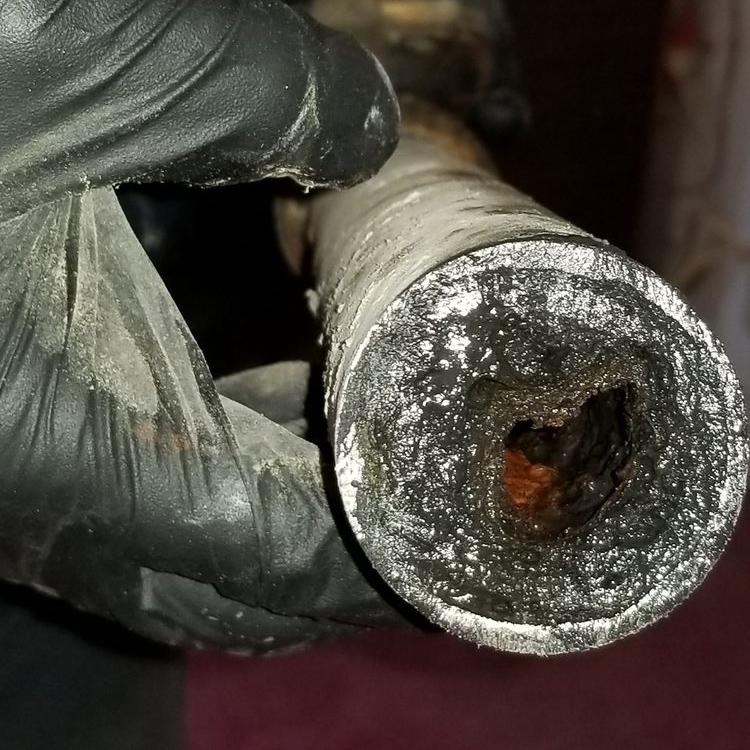
Sewer line Blockage

What Causes Main Sewer Line Backups and How to Prevent Them

A main sewer line backup is a nightmare for any homeowner. Not only can it lead to costly repairs and extensive water damage, but it can also create unsanitary conditions within your home. Understanding what causes these backups and taking preventive measures can help you avoid this inconvenience and protect your property. Here, we’ll discuss the primary causes of sewer line backups and provide actionable tips to keep your plumbing system in top shape.

Common Causes of Main Sewer Line Backups

Sewer line backups can result from various factors, ranging from household habits to external environmental factors. Recognizing these causes is the first step in preventing them.

Tree Roots

Tree roots are among the most common culprits of sewer line blockages. As trees grow, their roots seek out moisture, often finding it in sewer pipes. These roots can infiltrate even the smallest cracks in pipes, expanding and causing blockages over time. If left unchecked, tree roots can damage or even collapse pipes, resulting in a significant backup.

To avoid this issue, homeowners should be cautious about planting trees and shrubs near sewer lines. If tree roots are already a problem, Rapid Action Rooter can use specialized equipment to remove the roots without damaging the pipes.

Source: Learn more about tree root infiltration from The Spruce.

Grease Buildup

Grease is another major cause of sewer line blockages, especially in kitchen drains. When grease is poured down the drain, it may seem harmless while still hot. However, as it cools, it hardens and adheres to the inside of pipes, gradually creating blockages.

Homeowners can prevent this by avoiding pouring cooking grease, oil, or fatty substances down the sink. Instead, dispose of grease in a container and throw it in the trash. For existing grease buildup, a professional drain cleaning service can help break down the blockage without causing pipe damage.

Flushing Improper Items

Flushing inappropriate items down the toilet can quickly lead to sewer line issues. Toilets are designed to handle only human waste and toilet paper, yet many people flush items like wipes, diapers, paper towels, feminine hygiene products, and even “flushable” wipes. These items don’t break down easily and can get caught in pipes, leading to a clog.

Encouraging household members to be mindful of what goes down the toilet can go a long way in preventing clogs. When in doubt, remember that only toilet paper should be flushed.

Source: For additional insights on what not to flush, visit EPA.gov.

Pipe Deterioration and Aging Infrastructure

Older homes with aging plumbing systems may experience backups due to pipe deterioration. Over time, pipes can corrode, crack, or collapse, especially if made of outdated materials like clay or cast iron. These deteriorated pipes can lead to blockages and even allow for tree root infiltration.

If your home has an older plumbing system, scheduling an inspection with a plumber can help identify potential issues before they turn into costly repairs. In some cases, replacing old pipes with modern, durable materials like PVC can prevent recurring sewer line issues.

Heavy Rain and Flooding

Excessive rain or flooding can also cause sewer line backups. When municipal sewer systems are overwhelmed by rainwater, it can push water back into residential lines, especially if there are any existing weaknesses or minor blockages in the home’s plumbing.

While you can’t control the weather, installing backflow prevention devices can help protect your property. Additionally, keeping your yard’s drainage system clear can prevent rainwater from pooling around your home’s foundation and causing issues.

How to Prevent Sewer Line Backups

Preventing a main sewer line backup often involves a mix of careful practices and professional maintenance. Here are some effective tips to help protect your plumbing:

  • Avoid Flushing Non-Biodegradable Items: Educate household members about what’s safe to flush and what should go in the trash.
  • Dispose of Grease Properly: Never pour grease, fats, or oils down the sink. Use a container for disposal and discard it in the trash.
  • Schedule Regular Inspections and Cleanings: Annual inspections and professional drain cleanings can detect and remove potential blockages before they escalate.
  • Install a Backflow Prevention Valve: This device is especially useful for homes in flood-prone areas, as it prevents sewage from backing up into your home.

Be Mindful of Landscaping: Avoid planting trees and shrubs with invasive roots near sewer lines. If roots are a known problem, consider consulting a professional for removal.

Why Choose Rapid Action Rooter for Sewer Line Maintenance?

At Rapid Action Rooter, we understand the challenges that Los Angeles homeowners face when it comes to sewer line backups. Our team of expert plumbers uses advanced diagnostic tools to identify and remove blockages quickly and efficiently. From root removal to regular drain maintenance, we provide solutions to keep your plumbing system functioning smoothly. When you partner with Rapid Action Rooter, you’re investing in the longevity and reliability of your home’s plumbing.

Conclusion

Main sewer line backups can be costly, disruptive, and unsanitary, but with the proper preventive measures, you can keep your drains clear and your home safe. By understanding the causes of sewer backups—such as tree roots, grease buildup, and improper flushing—you can take proactive steps to protect your plumbing. Regular inspections, responsible disposal habits, and professional maintenance are essential to a healthy, backup-free sewer line.

#SewerLineBackups #DrainCleaning #PlumbingMaintenance #TreeRootsInPipes #HomePlumbingTips #RapidActionRooter #PreventClogs #LosAngelesPlumber #PipeMaintenance #BackflowPrevention